
Risk assessments are a crucial component of a comprehensive information security audit. They help organizations identify potential risks and vulnerabilities that may impact their ability to protect their data and operations. By conducting risk assessments, organizations can prioritize security investments and allocate resources effectively.
To conduct effective risk assessments, organizations should consider factors such as the likelihood and impact of potential risks, existing security controls, and the organization's risk tolerance. By incorporating risk assessments into their information security program, organizations can stay ahead of emerging threats and protect their sensitive data.
Have you conducted an exhaustive risk evaluation to distinguish expected weaknesses and dangers?
Do you have far-reaching network safety strategies and methodologies set up, including access controls, information assurance, and episode reaction plans?
Cybersecurity is critical for safeguarding sensitive information, ensuring business continuity, and preventing financial and reputational loss due to cyberattacks.
Are your representatives routinely prepared on network protection best practices, for example, perceiving phishing endeavours and dealing with delicate data?
Do you have a legitimate episode reaction plan that moves toward take in the event of a security break?
Are your products, equipment, and frameworks consistently refreshed and fixed to safeguard against known weaknesses?
Do you have standard information reinforcements and a recuperation plan to guarantee business congruity if there should be an occurrence of an assault?

Assessing existing online protection approaches, systems, and administration structures to guarantee they line up with best practices and consistency necessities.

Distinguishing and surveying expected dangers, weaknesses, and dangers to the association's resources, including information, frameworks, and organizations

Exploring access control systems, including client verification, approval cycles, and job-based admission controls, to guarantee just approved work force approach delicate data.

Looking at network engineering, firewall designs, interruption discovery and anticipation frameworks, and generally speaking, organization security to distinguish possible shortcomings or misconfigurations.
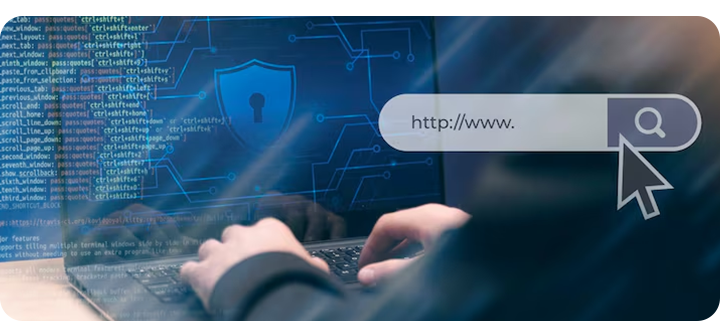
Evaluating the security of working frameworks, applications, and equipment to guarantee they are appropriately designed and safeguarded against known weaknesses.

Assessing information encryption, capacity, reinforcement strategies, and information handling practices to guarantee that delicate information is satisfactorily safeguarded.

Auditing the occurrence reaction plan and systems to guarantee they are viable and modern, and surveying how past episodes were dealt with.

Data security includes network access restrictions, data encryption, and how sensitive information travels within the organization.

Distinguishing and surveying expected dangers, weaknesses, and dangers to the association's resources, including information, frameworks, and organizations

Physical security includes the building where the organization is located as well as the actual equipment that is utilized to hold private data.

This includes antivirus setups, network monitoring, and network restrictions.

This creates information security policies, processes, and controls audits.
Below are some functions of a security audit in cyber security
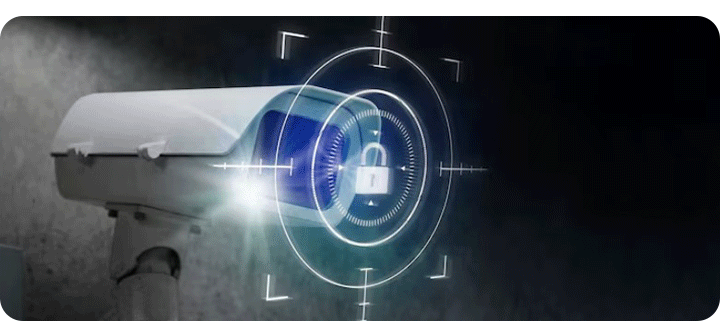
This part of the audit checks to see how well a business's security controls work.
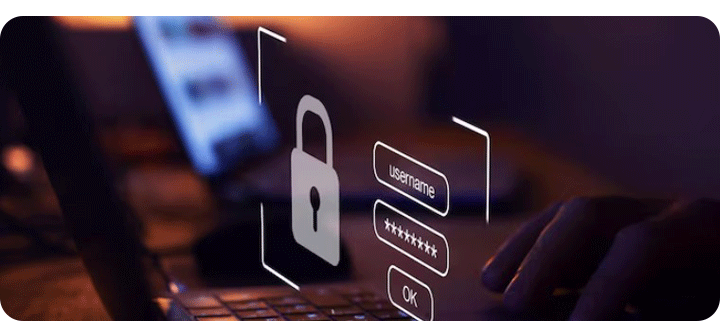
This audit section confirms that a company has procedures in place to oversee data encryption procedures.

Auditors make sure that communication controls work on both the client and server sides, as well as the network that links them.
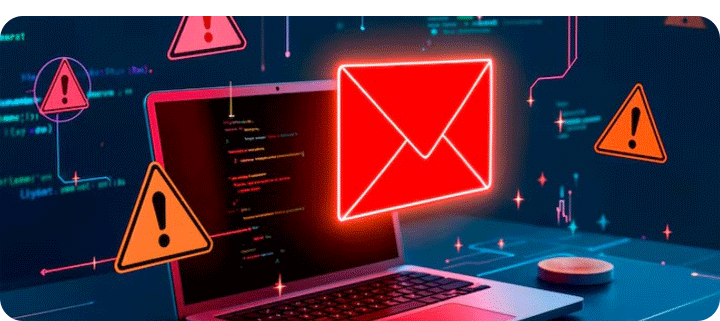
To gain access to data or system, these are flaws in any part of the network that a hacker can use to hack.